Institutional RWA Tokenization

Resources and solutions for institutions exploring real‑world asset tokenization

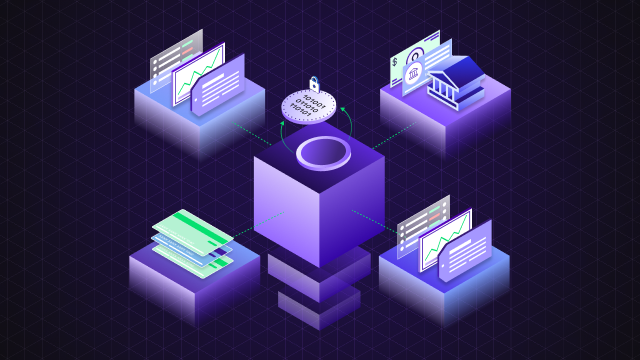
Why Now?

Why major financial institutions are tokenizing RWAs

Learn more

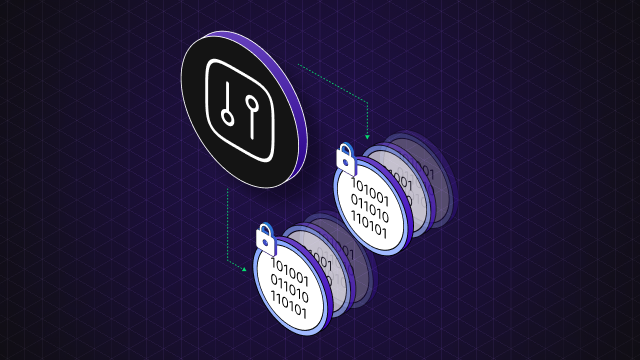
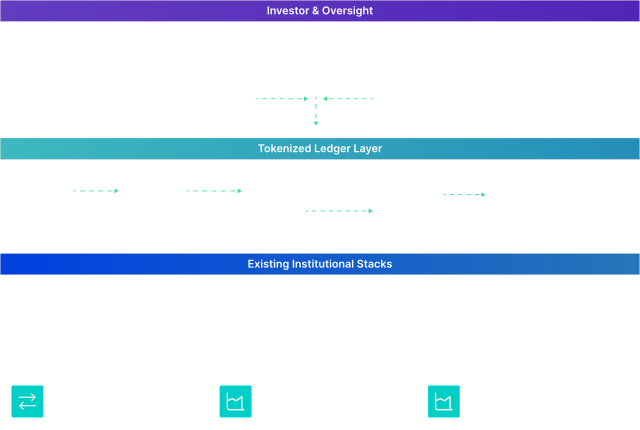
How it Works

The underlying instruments and structures

Learn more

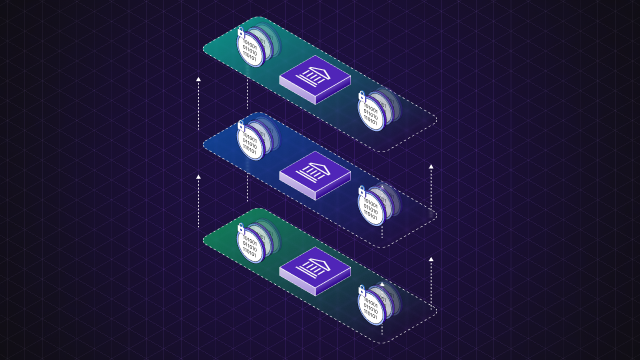
Token Standards

The key institutional networks and standards

learn more

Key Considerations

Important criteria for your tokenization strategy

learn more

Why Now?

Balance‑sheet and funding pressure: With higher rates and tighter balance‑sheet constraints, every day of settlement latency and every patch of trapped collateral is expensive.
Demand for new distribution and access: Issuers and managers want to reach new pools of capital without rebuilding products from scratch.
Maturing technology and regulatory comfort: The technology and regulatory environment have both moved on.
How it Works

Key Tokenization Standards

Standard
ERC-20
ERC‑1400
ERC‑3643 (T‑REX)
CIP‑56
Stellar native
SEP‑41 / SAC
TIP‑20
Network/Rail
EVM Compatible
EVM Compatible

EVM Compatible

Canton
Stellar base protocol
Stellar (Soroban)
Newer payment‑focused rails
Main Purpose
Basic interchangeable token interface
Security tokens with capital‑markets features
Permissioned, identity‑aware tokens
Bilateral, private institutional tokens
Built‑in asset issuance and controls
Contract‑based token interface
Payments‑oriented token standard
Typical Use Cases
Stablecoins, basic RWAs, utility tokens
Tokenised equity, bonds, funds
Regulated RWAs, private credit, fund platforms
Syndicated loans, collateralised trades, DvP
Payments, stablecoins, corridor RWAs
Programmable RWAs and on‑ledger applications on Stellar
Stablecoin payments, treasury and working capital

Key Considerations

As you evaluate your tokenization strategy for 2026 and beyond, look for these three criteria:

Four squares that are connected at their center points

Network Agnostic

Does the partner support the networks you use today and the ones you might need tomorrow?

Governance-First

Is the security model built around institutional policies (MPC, multi-sig, role-based access) or just basic cryptography?

A line chart with increasing data

Proven at Scale

Can the infrastructure handle the volume and uptime requirements of a global financial institution?

Choose Blockdaemon for Resilience and Simplicity.

Audit-Ready Compliance: ISO 27001, SOC 1 Type 1, and SOC 2 Type II certified.
Operational Abstraction: Full-lifecycle managed automation 
Systemic Reliability: Payment-grade uptime across 60+ protocols with $10B+ assets under management.
De-Risked Custody: MPC-protected architecture eliminates single points of failure.

Get Started with
Tokenization Today!

As an early infrastructure partner for Tempo, we provide the scale and security required for the next generation of digital finance.