The core building blocks of a tokenization stack
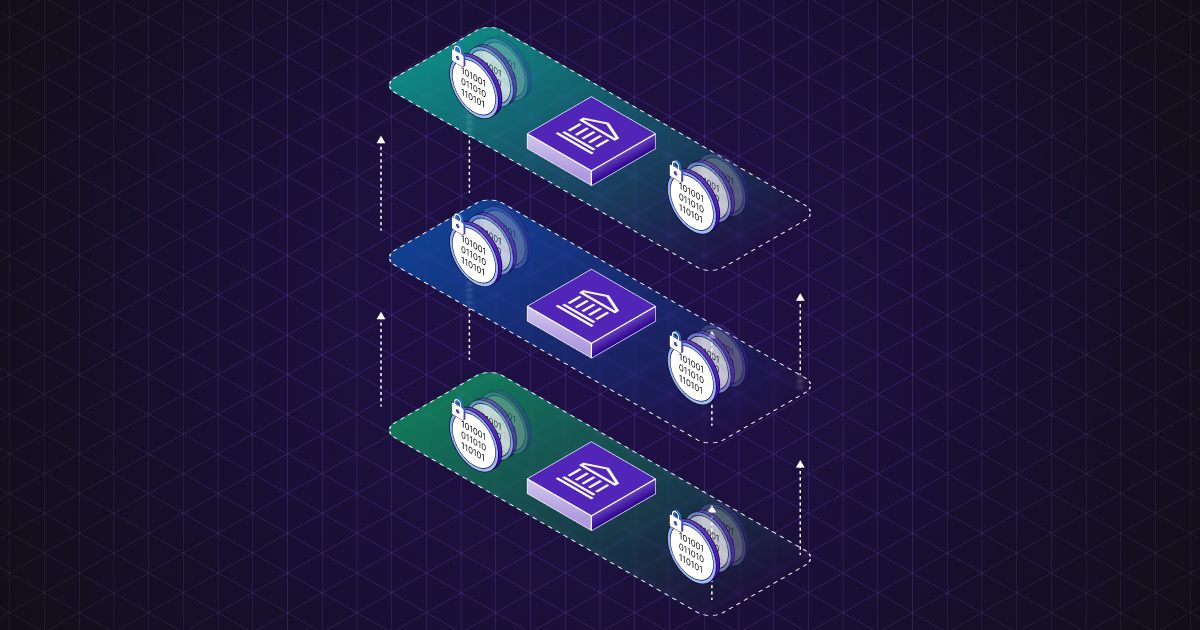
A production-grade tokenization architecture typically consists of four interconnected layers:
- The Ledger Layer: This is the base network (public, permissioned, or hybrid) where the assets live. Institutions often favor permissioned environments, like Canton, for privacy and control, or public networks with robust permissioning layers for broader reach.
- The Token & Logic Layer: This is where the smart contracts and token standards reside. These standards define how the asset behaves how it is issued, how coupons are calculated, and how transfers are restricted based on pre-set conditions.
- The Custody & Key Management Layer: This is the most critical security layer. It manages the private keys that sign transactions. Modern institutional stacks utilize Multi-Party Computation (MPC) to ensure that no single person or system can move assets unilaterally.
- The Integration Layer: This connects the blockchain to existing legacy systems, such as core banking, risk management, and regulatory reporting tools.
Example Part 2: Designing Acme’s Stack
Returning to Acme Capital Partners, the team must now choose the technical components for their CRE credit note. They decide on a permissioned network to ensure data privacy for their institutional investors.
- Custody: Instead of a simple hardware wallet, Acme integrates an MPC vault. This allows them to set a policy where any transfer of the credit note requires approval from both the Fund Manager and the Compliance Officer.
- Standards: They utilize a token standard that supports "on-chain whitelisting." This ensures that the note can only be transferred to wallets that have passed Acme’s specific KYC/AML checks.
- Connectivity: To avoid the risks of DIY node management, they use Blockdaemon’s dedicated infrastructure to maintain high-availability connections to the ledger, ensuring their data feeds for real-time reporting are never interrupted.
Design patterns for compliant tokenization
Institutions succeed when they embed compliance directly into the token's DNA. Key patterns include:
- Jurisdiction-Aware Restrictions: The token can automatically block transfers between residents of countries with conflicting tax or securities laws.
- Pause and Redemption Mechanisms: In the event of a legal dispute or a lost key, the issuer (Acme) has the administrative capability to pause transfers or burn and re-issue tokens to a new wallet.
- On-Chain Cap Tables: The ledger serves as the definitive, real-time record of who owns what, eliminating the need for manual reconciliation between different parties' databases.
What goes wrong in DIY builds?
Many institutions attempt to build this stack in-house, only to encounter significant failure points:
- Policy Engines that live in silos: If your compliance rules aren't tied directly to the key management system, you risk "rogue" transactions that bypass your intended controls.
- Fragile Node Infrastructure: Home-grown nodes often lack the monitoring and failover capabilities required for financial-grade service level agreements (SLAs).
By using a trusted partner such as Blockdaemon, institutional teams abstract this complexity. They gain access to a hardened stack encompassing MPC custody, high-performance nodes, and governance controls. This allows them to focus on the financial engineering of the product rather than the plumbing of the ledger.
Designing a compliant tokenization stack is only half the story. Once the first asset goes live, the hard work shifts to day‑to‑day operations: who can approve what, how incidents are handled, and how regulators and auditors get comfort that the system behaves as intended.
In Operating Tokenized Assets, we look at how to operate tokenized assets in production, using the same Acme example to walk through approvals, monitoring, and audit trails.