Get Started with
Blockdaemon Today!
Contact us to learn how we can help you power your blockchain business.

Unparalleled Security & Compliance
Seamless Integration & Scalability
Dedicated Customer Support

Blockdaemon Event Streaming helps institutional stablecoin teams monitor blockchain events in near real time and route data into systems like Kafka.
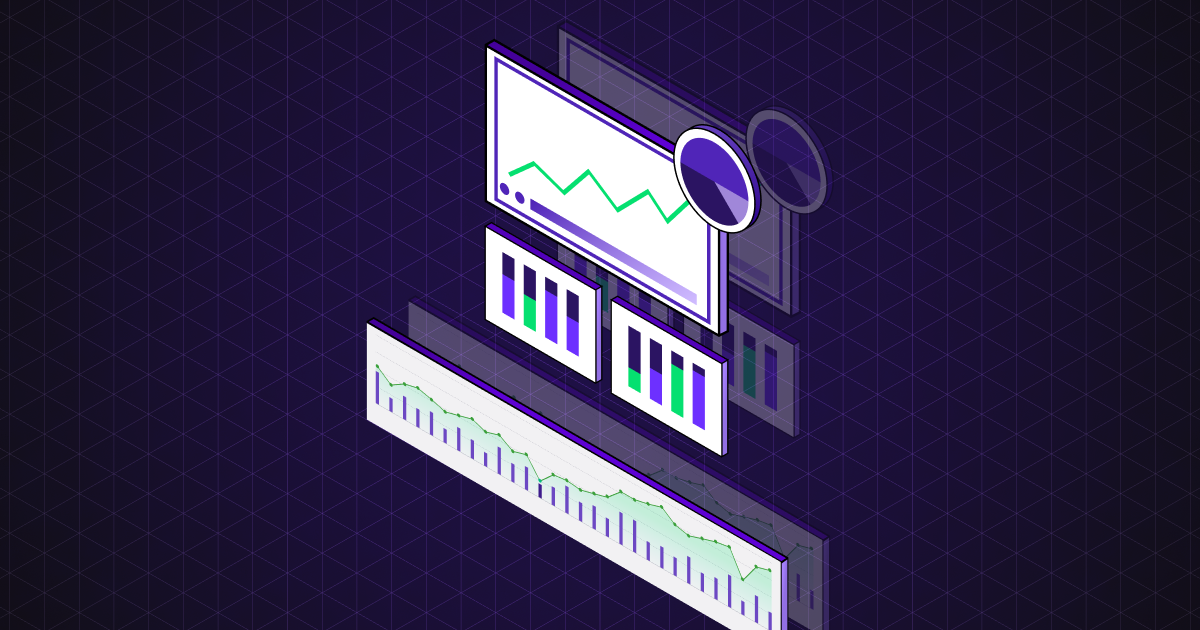
For institutional stablecoin teams, every second of blockchain visibility matters. Whether you are monitoring token transfers, tracking balances, supporting reconciliation, or feeding compliance and analytics workflows, relying on constant polling can be slow, inefficient, and difficult to scale across networks.
In this blog, we’ll look at how Blockdaemon Event Streaming helps teams receive relevant blockchain events in near real time, route them into internal systems, and reduce the operational overhead of building and maintaining custom event infrastructure. We’ll also cover how to get started, with a full Event Streaming demo available here.
Event Streaming continuously monitors blockchain activity and delivers events as they happen. Instead of querying nodes or indexing data yourself, you define what you care about and where the data should go.
Blockdaemon Event Streaming lets you receive blockchain events in near real time and route them directly into your systems using WebSockets, webhooks, and Chain Sink.
Event Streaming is built around three core concepts:
Once a rule is active, Event Streaming continuously produces events without further intervention.
Blockdaemon supports two primary delivery models.
With webhooks, Blockdaemon pushes events directly to your servers. This is a simple option when your systems are publicly reachable.
With WebSockets, your system initiates a persistent connection to Blockdaemon. This outbound model is often easier to secure and works well when events need to land inside internal systems such as Kafka, data pipelines, or analytics platforms.
Blockdaemon Event Streaming supports a wide range of networks, including:
For stablecoin use cases, Event Streaming support depends on how stablecoin activity is represented on each blockchain. On EVM networks such as Ethereum, Polygon, Optimism, and Kaia, stablecoin activity is typically visible through token contract activity, logs, transactions, and address-level events. On Stellar, stablecoin and issued asset activity may involve trustline-related events. On Solana, stablecoin monitoring depends on supported token-event coverage for the network.
In other words, Event Streaming is not a separate “stablecoin-only” feed. It delivers blockchain events across supported protocols and networks, and can be used to monitor stablecoin-related activity where those assets appear as observable on-chain events.
Variables allow you to monitor different types of activity, such as new blocks, address transactions, balance changes, logs, reorgs, or staking-related events, depending on the protocol and network.
This gives institutional teams a flexible way to build stablecoin monitoring workflows without maintaining custom polling infrastructure across every chain they support.
For advanced use cases, Blockdaemon provides Chain Sink, a client component that runs inside your environment and consumes WebSocket streams.
Chain Sink is:
Its role is to receive Event Streaming data and push it into long-term storage or messaging systems, such as Kafka, without requiring custom ingestion code or exposing internal systems to Blockdaemon.
Configuration is handled through a simple YAML file, where you define:
Adapters are interchangeable. You can start by printing events to stdout for validation, then switch to Kafka or another system with minimal changes.
Chain Sink supports Kafka out of the box and is designed to be extensible. Customers can work with Blockdaemon to add new adapters or build their own connectors for data warehouses, messaging platforms, or internal storage systems.
This approach gives customers control over how and where blockchain data is consumed, while Blockdaemon manages the complexity of event detection and delivery.
Event Streaming lets you define the blockchain activity you care about and receive events in near real time.
Webhooks and WebSockets provide flexible delivery options. WebSockets, combined with Chain Sink, allow customers to securely route events into internal systems like Kafka without building custom ingestion pipelines.
To learn more about integrating Blockdaemon Event Streaming into your application, book a call with a Blockdaemon team member today.


Contact us to learn how we can help you power your blockchain business.